
Jesus In The Rubble (not at your Christmas Party)
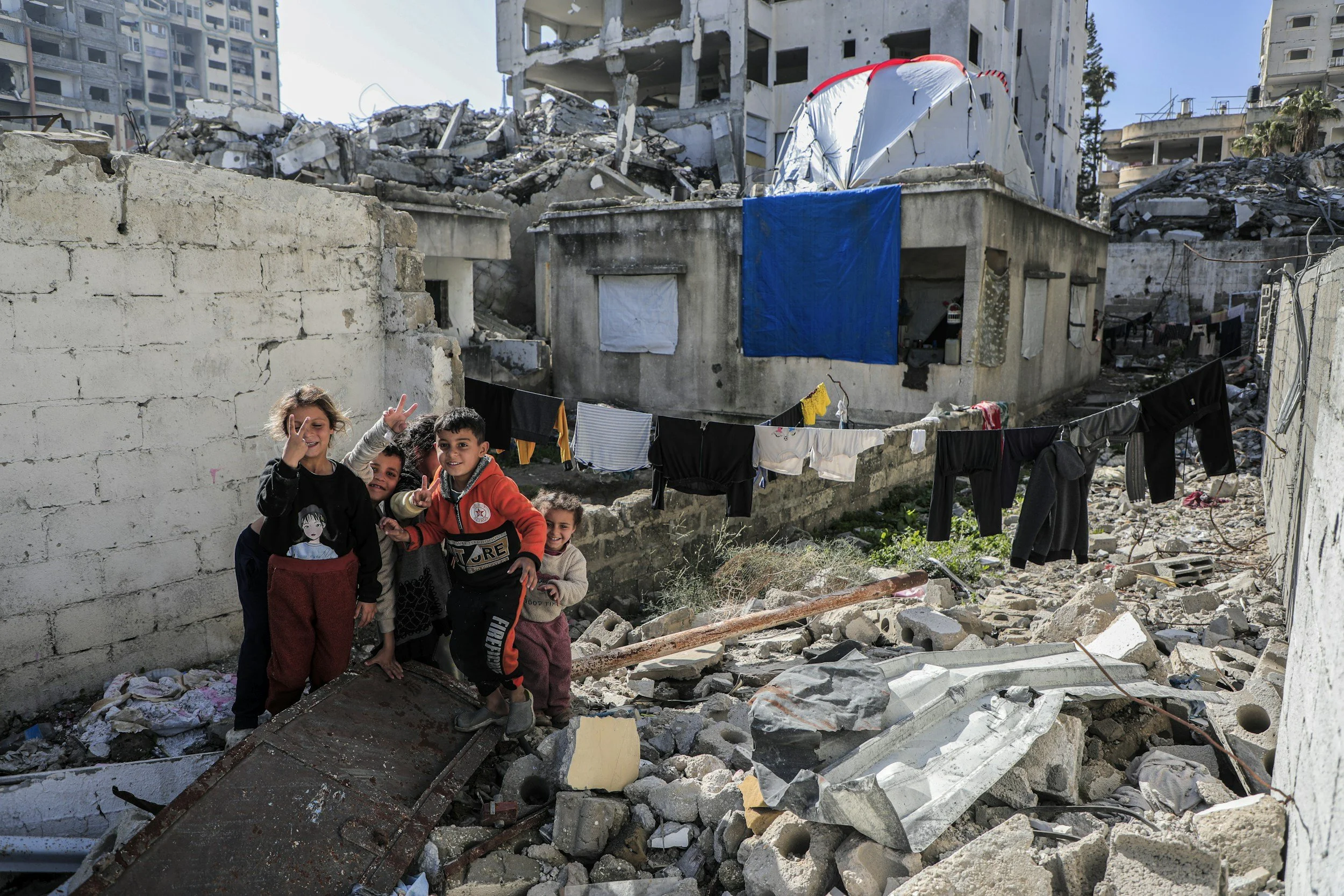
Where Would Jesus Spend Christmas? Understanding the True Meaning of Bethlehem
Christmas is often portrayed as a story of quaint small towns and cozy family gatherings. But when we dig deeper into the biblical account, we discover something far more profound and challenging about where God chooses to reveal himself.
Why Did God Choose Bethlehem?
Everyone knows Jesus was born in Bethlehem, but few understand why this location matters so much. Bethlehem wasn't chosen because it was charming or peaceful. In fact, neither Bethlehem nor Nazareth ranked among the top 50 cities in Israel by population. They were small, forgotten places - the ancient equivalent of rural farming towns.
The prophet Micah, writing 700 years before Jesus' birth, prophesied: "But you, Bethlehem, though you are small among the cities of Judah, out of you will come for me one who will be ruler over all of Israel, whose origins are from old and from ancient times."
The Journey to Bethlehem Was Difficult
Mary and Joseph's journey to Bethlehem wasn't a peaceful pilgrimage. They traveled 90 grueling miles - going down 1,200 feet in elevation, through valleys, then climbing uphill 2,500 feet. This was essentially climbing a mountain while Mary was about to give birth.
When they arrived, there was no room for them. They ended up in a stable with animals - dirty, cramped, and far from ideal conditions for childbirth. This wasn't the peaceful, romantic scene often depicted in Christmas cards.
What Happened After Jesus Was Born?
The difficulties didn't end with Jesus' birth. Six to eighteen months later, when the magi arrived, King Herod felt threatened by news of this new "king." Joseph received a warning in a dream, and the family had to flee to Egypt as refugees.
Herod's response was brutal - he ordered the killing of all male children under two years old in the region. Mary, Joseph, and Jesus remained refugees in Egypt until Herod died, possibly up to two years. By the time they finally returned to Nazareth, Jesus was about four years old.
Understanding Normal vs. Abnormal in Jesus' Time
When we say Christmas is about "normal people," we need to understand what normal actually meant in Jesus' time. If you're a family of four making $32,000 a year in America today, you're wealthier than 90% of the world's population.
The reality is that poverty, displacement, and fear for one's life - the circumstances surrounding Jesus' birth - represent the norm for most of humanity throughout history. Our comfortable Christmas celebrations are actually quite abnormal by global and historical standards.
Where Would Jesus Be Today?
This raises an uncomfortable question: if Jesus were ministering today, where would he spend Christmas? The answer challenges our comfortable assumptions about the holiday.
The Historical Context of Palestine
The regions where Jesus was born and raised - Bethlehem in Judea and Nazareth in Galilee - were part of what has been called Palestine since Roman times. This land has experienced continuous conflict and displacement throughout history.
In 1948, when the United Nations established Israel as a homeland for Jewish people after the Holocaust, approximately 700,000 Palestinians were displaced from their homes. Many of these were Christians - "first Christians" whose families had followed Jesus for 2,000 years.
The Current Reality
Today, the places where Jesus was born and raised continue to experience violence and displacement. Bethlehem, once 80% Christian, has seen its Christian population dramatically reduced due to ongoing conflict.
The question becomes: is it safer to have a baby in the West Bank or Gaza today than it was when Mary and Joseph had Jesus? The answer reveals the ongoing relevance of the Christmas story.
Moving Beyond Partisanship to Scripture
When discussing these realities, we often fall into partisan thinking, getting our views from news sources rather than wrestling with Scripture itself. We develop "whataboutism" - responding to one problem by pointing to another problem, which doesn't solve anything.
The challenge is to let Scripture be our teacher rather than allowing political talking points to shape our understanding of Jesus' story.
God Shows Up in Hardship
God didn't choose Bethlehem because it was cute, quaint, or safe. He chose it because Bethlehem represents hardship, trial, suffering, and uncertainty. It teaches us where we can expect to find God - not in comfort and safety, but in the midst of struggle.
Throughout his ministry, Jesus consistently spent time with the poor, the displaced, the suffering, and the marginalized. This pattern began with his birth in Bethlehem and continued throughout his life.
Where Do We Find Jesus Today?
If we want to understand who Jesus really is and what Christmas truly means, we need to recognize that he wouldn't be found at comfortable Christmas parties or elaborate celebrations. Instead, he would be with the suffering and struggling, the sick and crying, the hurting and displaced.
As one Palestinian Christian student recently observed: "Christ is neither carrying flags nor sending thoughts and prayers. He's under the bombs in Gaza himself."
Life Application
This Christmas, challenge yourself to move beyond comfortable traditions and ask where Jesus would actually be spending his time. Instead of just celebrating in comfort, consider how you might join Jesus in caring for those who are suffering, displaced, or struggling.
Turn off the news and social media for a while, and read the Scriptures for yourself. Let the Bible shape your understanding of who Jesus is rather than allowing partisan viewpoints to cloud your vision.
Christmas reminds us that God did not arrive in comfort, safety, or power, but in vulnerability, displacement, and struggle. If we want to find Jesus today, we shouldn’t look first to what feels festive or familiar, but to where people are hurting, afraid, and overlooked. The true meaning of Bethlehem is this: God still shows up where the world least expects—and that’s where Christmas still lives.
Questions for Reflection:
How does understanding the true circumstances of Jesus' birth change your perspective on Christmas?
Where in your community might you find Jesus today - among which people or in what situations?
What would it look like for you to join Jesus in caring for the marginalized and suffering this Christmas season?
How can you move beyond comfortable Christmas traditions to engage with the deeper meaning of God's presence among the struggling?
